Where appropriate, young people complete the scale at the start, during and at the end of their support. This helps YEES and the setting understand progress in emotional awareness, regulation, empathy and decision-making.
Headline figures summarise participant feedback and programme review data; sample sizes are shown with each project, and settings agree the measurement approach for each cohort. Percentages should be read alongside the cohort context and qualitative feedback.
Awareness.
Recognising emotions and naming what is happening.
Regulation.
Pausing and regulating before reacting.
REFLECTION
Thinking through feelings, choices and consequences.
Self-Informed Thinking.
Using insight to choose a more considered response.
Safer Decisions.
Turning emotional intelligence into safer choices.
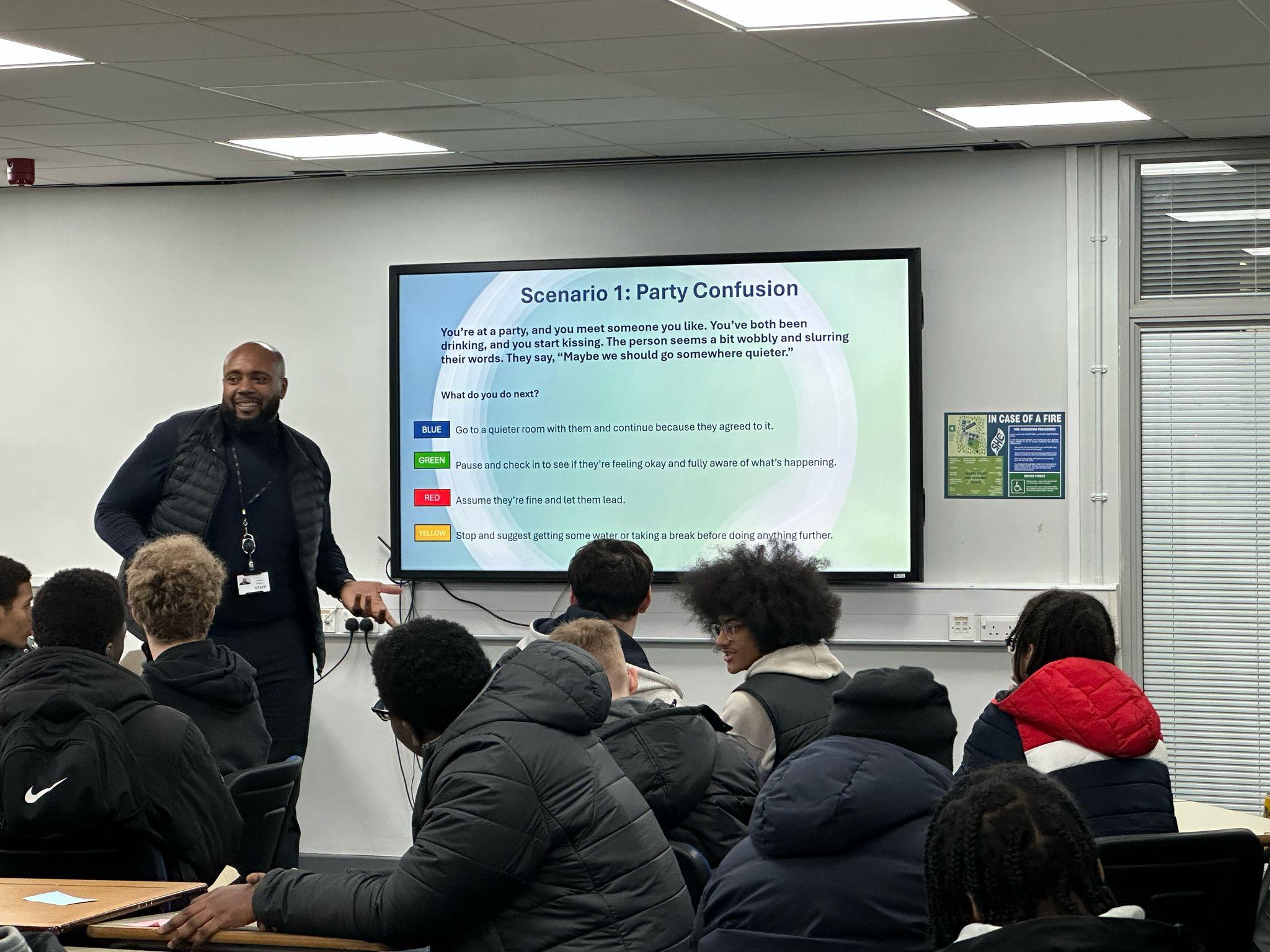
"Students were encouraged to think critically, express their opinions & reflect on real-life situations."
Wellbeing session for SEND students
“I learnt that my emotions are valid and I have the power to choose what I do with them. No one had ever taught me that before.”
Young Person, 16
Secondary School, London
Previous
Next
RECENT PROJECTS
Marvellous Men
Safeguarding through positive masculinity. YEES engaged 168 male learners: 89% gained a clearer understanding of consent and 82% felt more confident discussing consent with a partner. The work built empathy, accountability and respect, helping young men challenge harmful norms.
“Silence isn’t consent. That changed how I see things.”
— Male student, 17.
Mindful Emotions
Emotional Intelligence workshops for 80 learners aged 16–18. Baseline assessments identified clear development needs in motivation, self-awareness and relationships, informing the case for a fuller programme co-designed with young people.
“Talking about emotions with others made me feel less alone.” — Female student, 16.
MORE EVIDENCE FROM OUR WORK
Respectable You
Healthy relationships and respect for 63 learners aged 16–19, nearly half of whom had additional learning needs. Ninety-four per cent improved their understanding of healthy, respectful relationships; tutors reported calmer classrooms and stronger accountability.
“I don’t have to act tough to get respect.”
— Male student, 17.
Mind in Motion
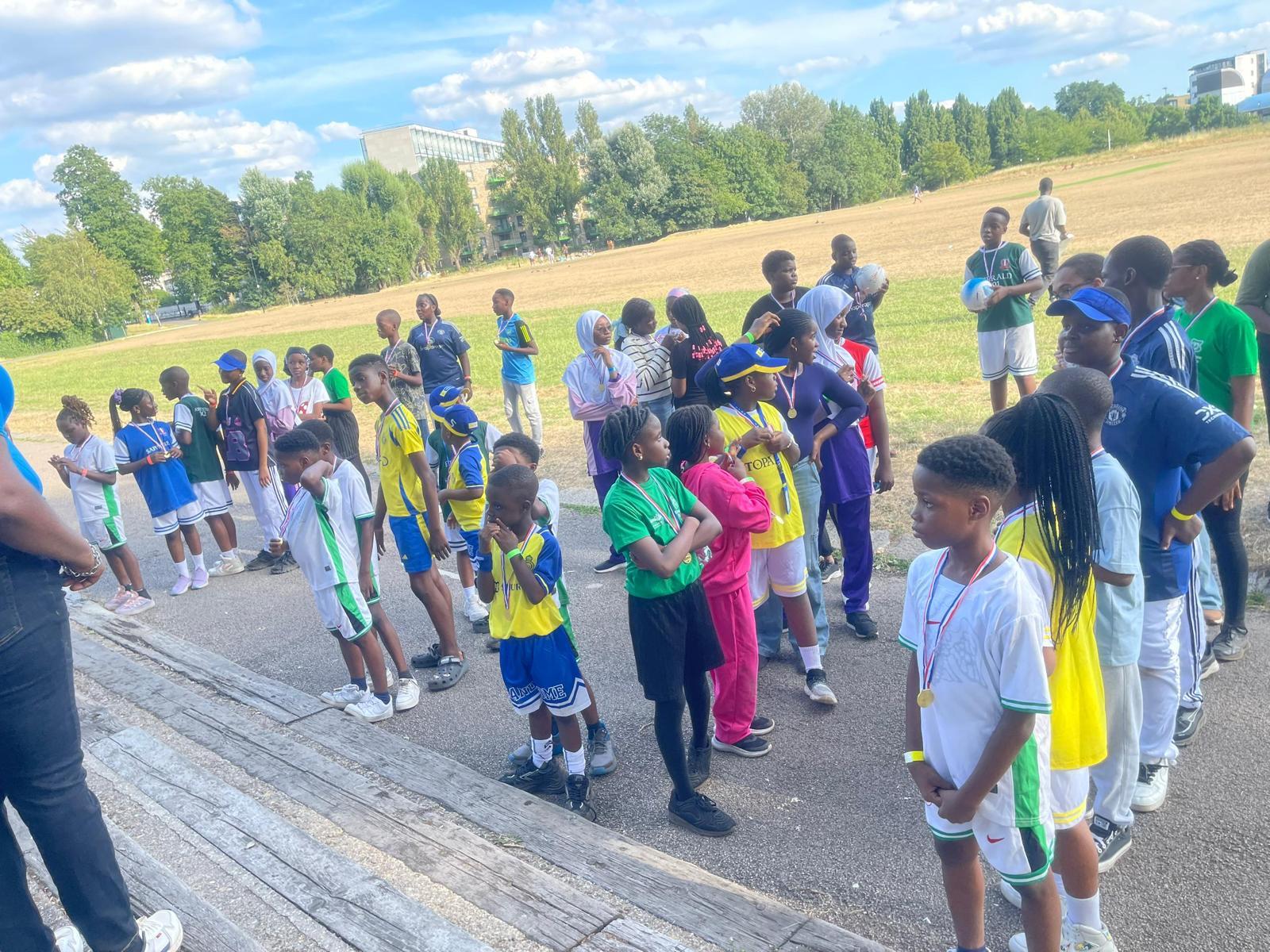
Building resilience through sport for 44 international students from 11 schools. Eighty-five per cent reported greater confidence, belonging and resilience. Sport and emotional intelligence activities developed teamwork and connection, including among students who usually avoid physical activity.
“The day wasn’t just about sport; it was about learning to work together.” — Student.
Want this kind of evidence in your setting?
Talk to us about how progress could be reviewed for your cohort.